City of Design Graz: Architecture & UNESCO World Heritage
Where UNESCO World Heritage meets contemporary architecture: Discover architecture and design in Graz.
Graz is a UNESCO City of Design – a city where historic architecture and innovative contemporary design come together in a truly unique way.
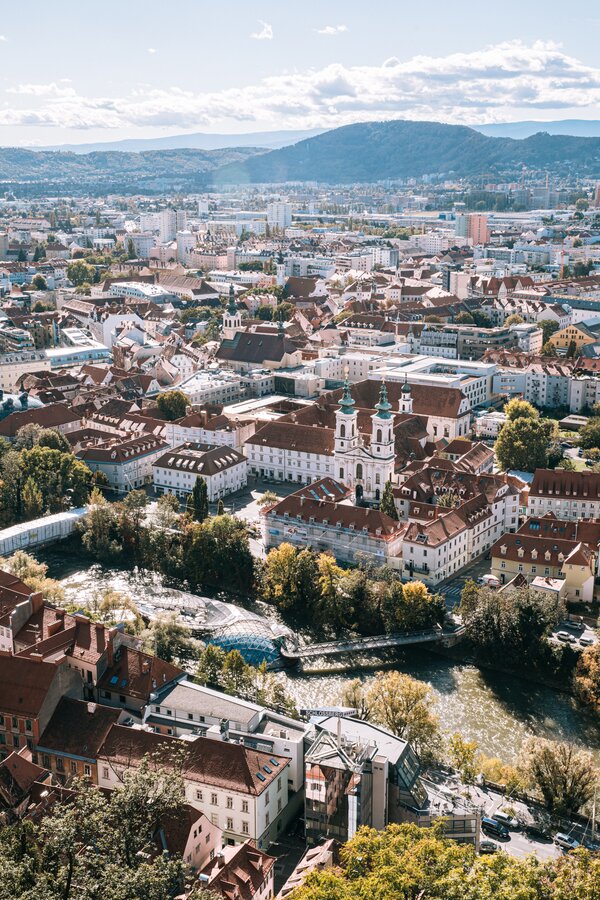
The capital of Styria is one of Europe's most exciting destinations for architecture and design. It combines one of the best-preserved historic city centres in Central Europe with internationally acclaimed contemporary architecture.
While Graz's Historic Centre has been a UNESCO World Heritage Site since 1999 and Eggenberg Palace was added in 2010, Graz has also been a UNESCO City of Design since 2011. This exceptional combination makes Graz truly unique.

Graz City of Design
Key Facts at a Glance
- UNESCO City of Design since 2011
Graz has been a member of the UNESCO Creative Cities Network as a UNESCO City of Design since 2011. - UNESCO World Heritage Site since 1999
Graz's Historic Centre has been a UNESCO World Heritage Site since 1999. - European Capital of Culture: 2003
Graz was awarded the title of European Capital of Culture in 2003. - Most Iconic Architectural Landmark: Kunsthaus Graz
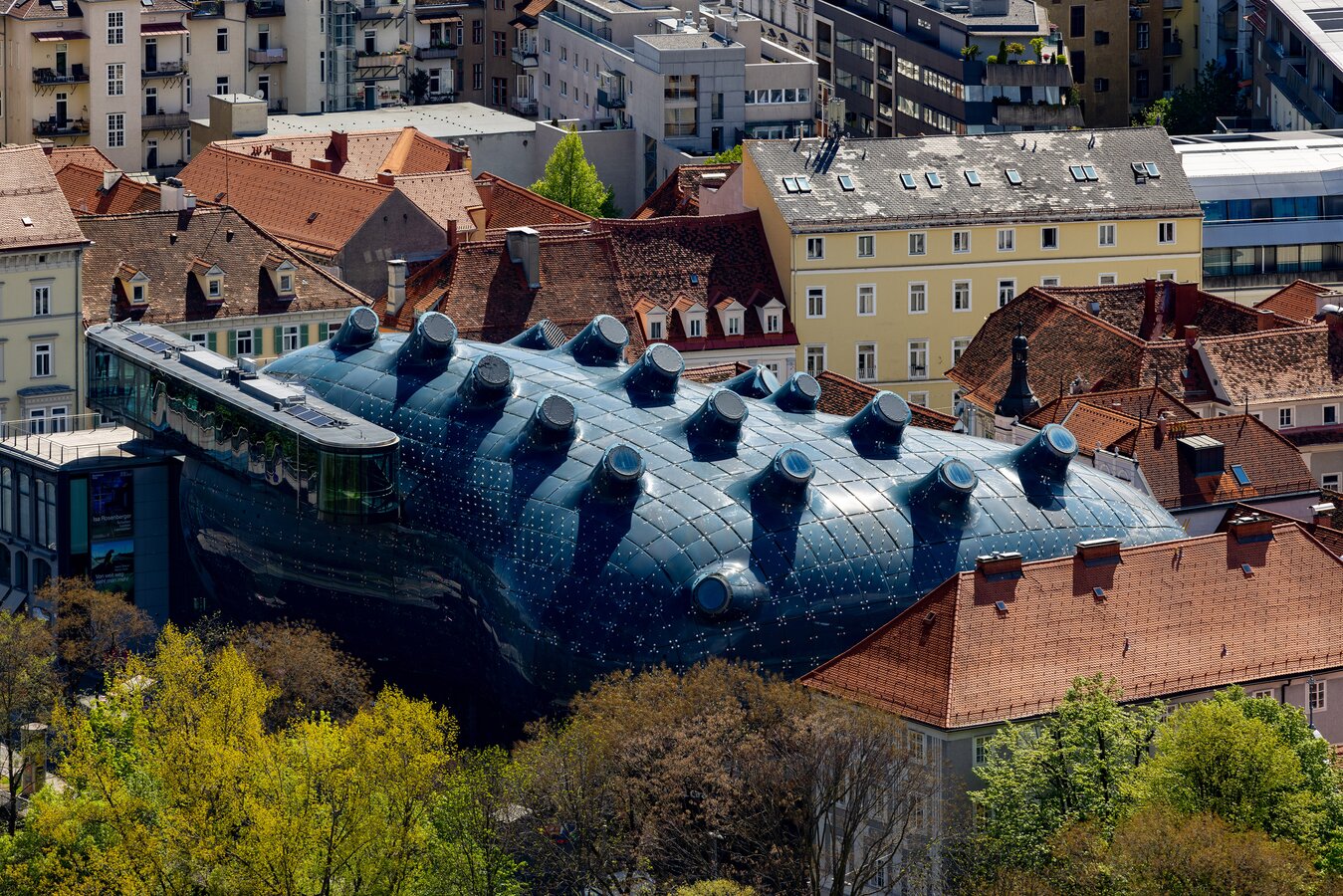
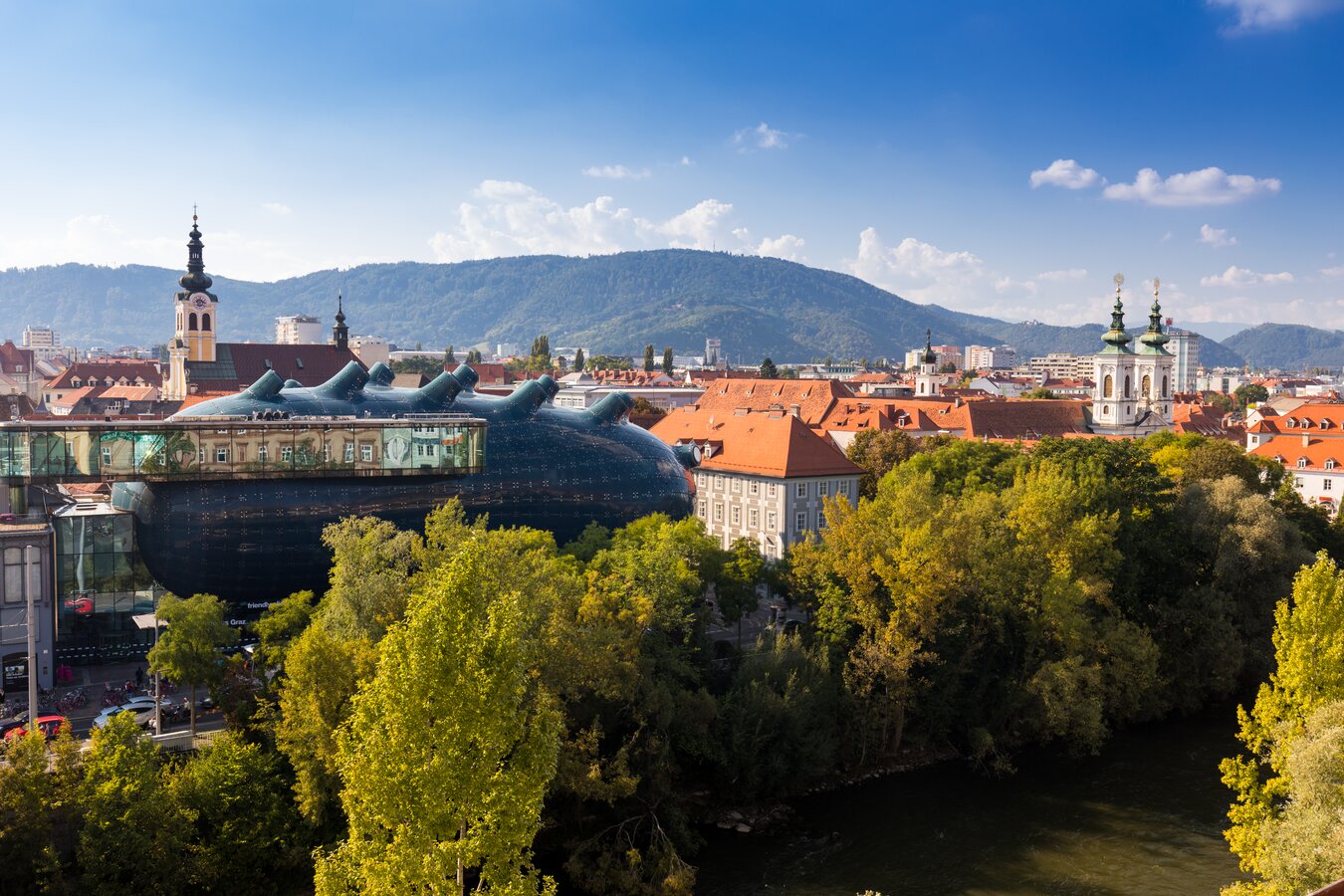
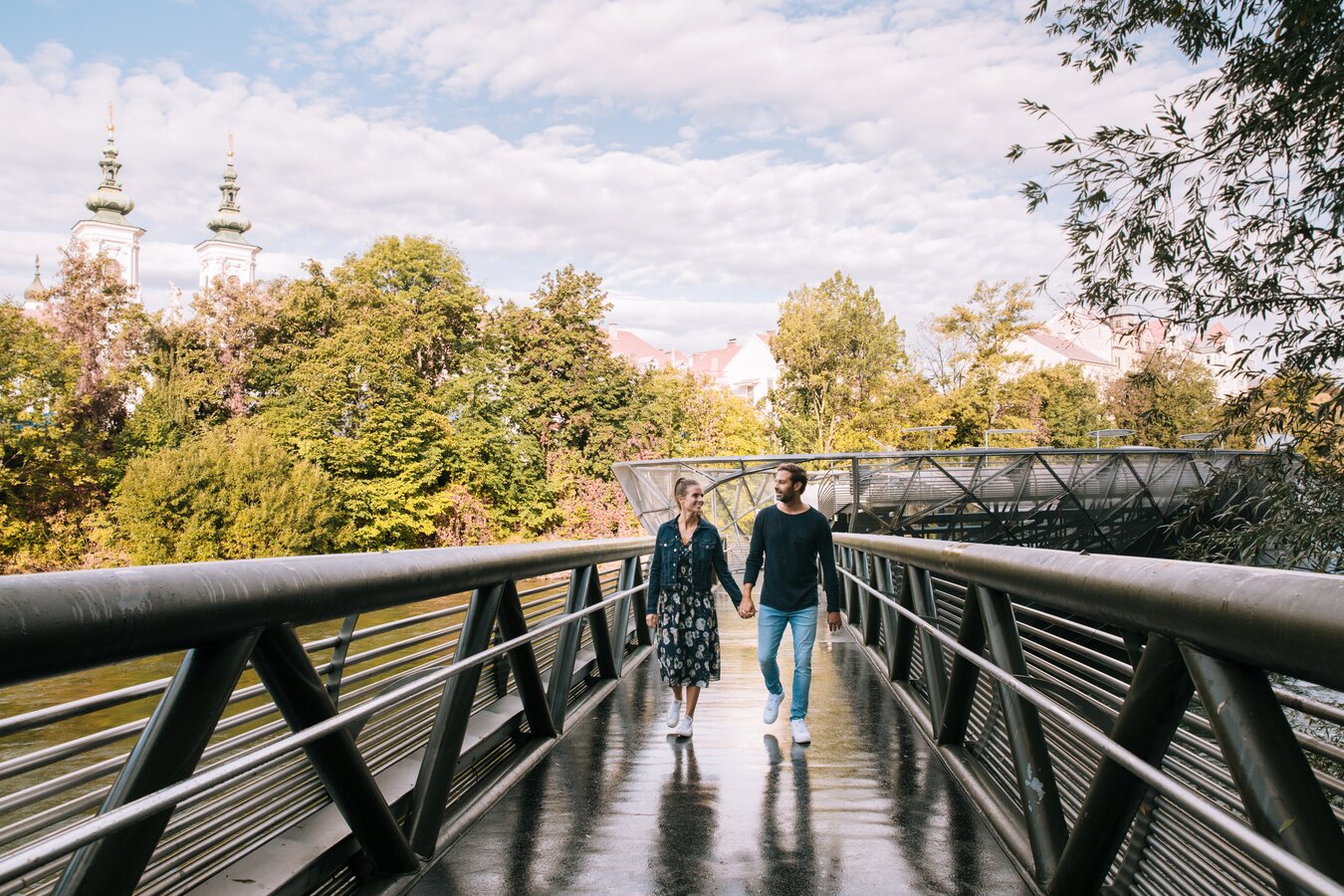
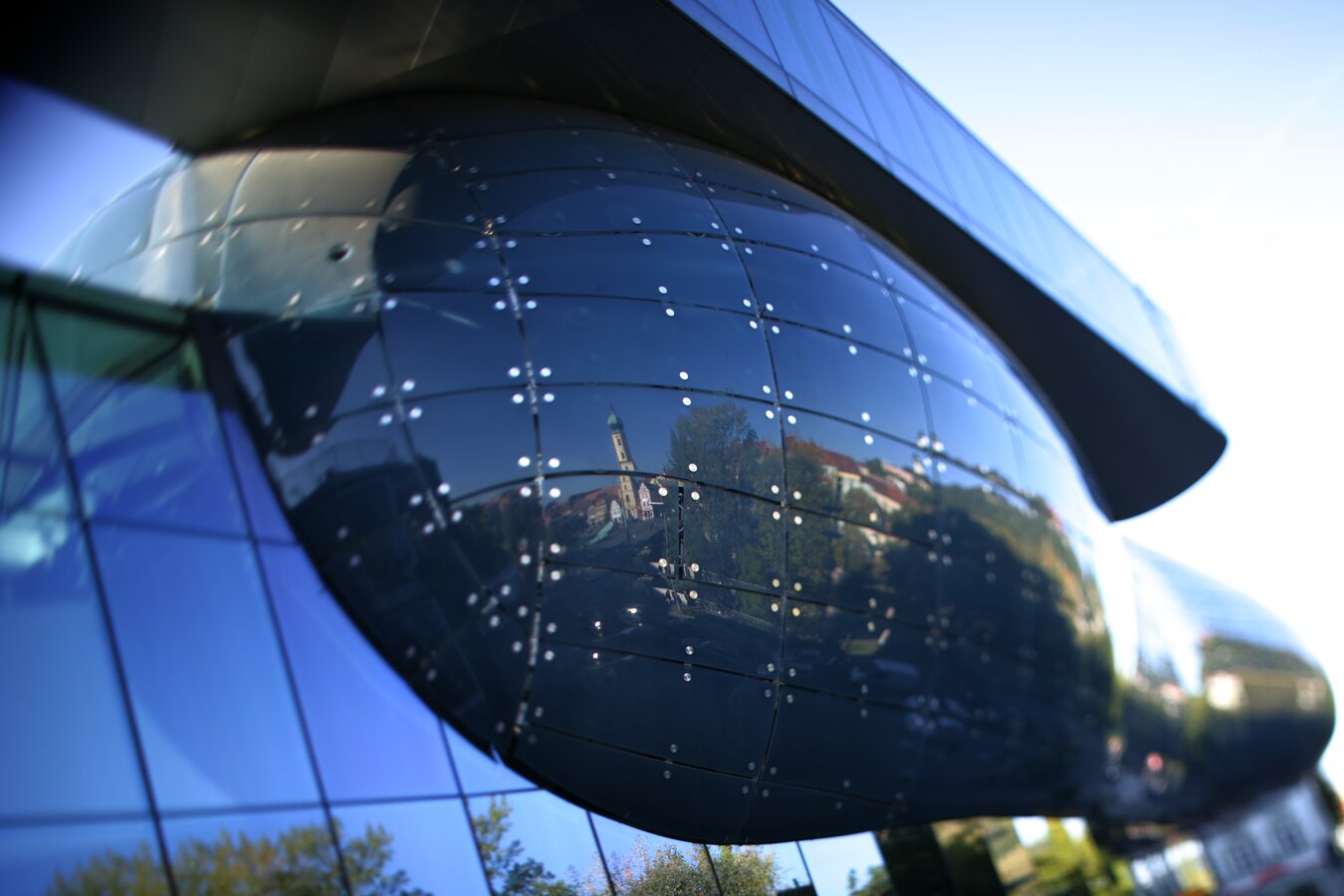
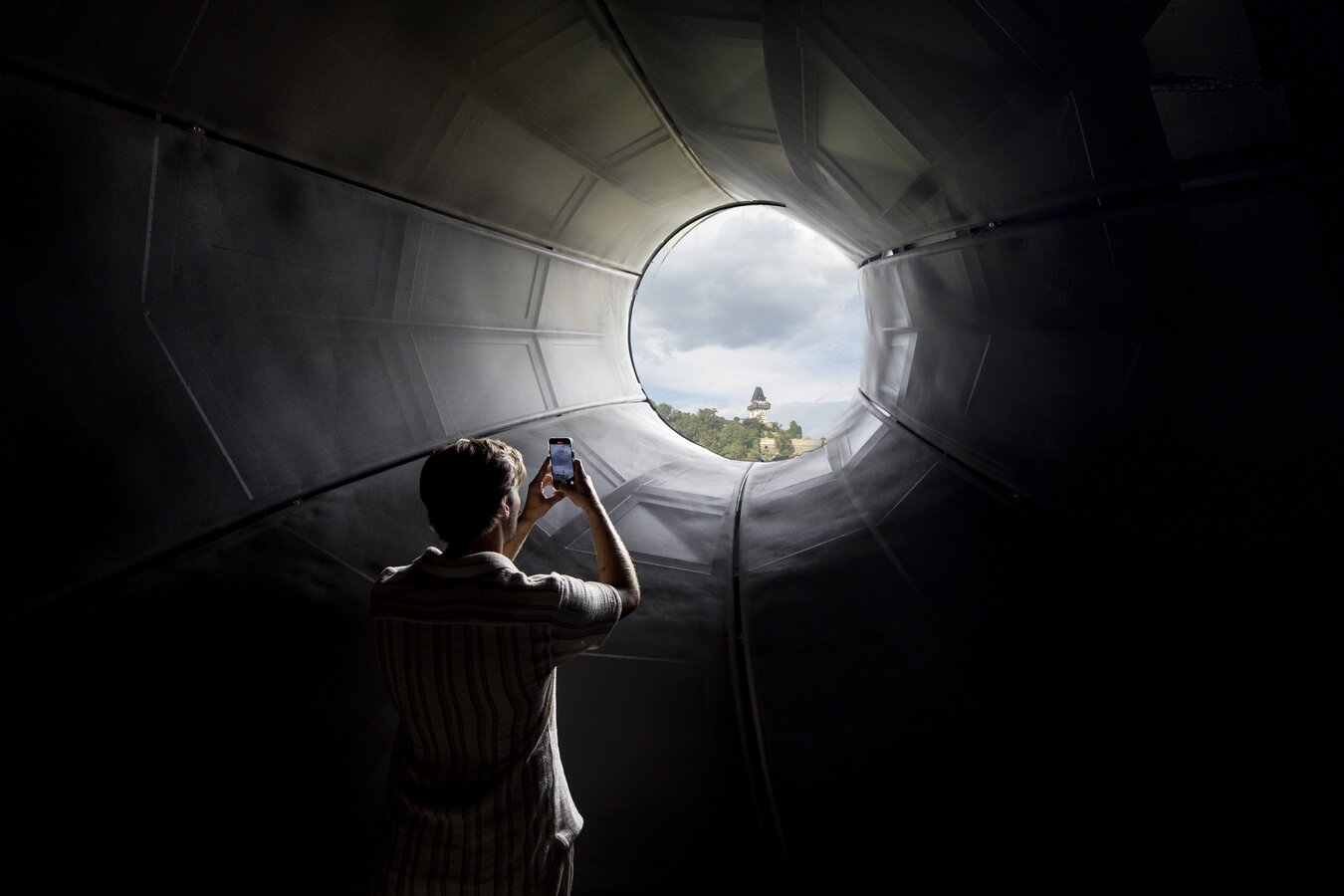
Opened in 2003, Kunsthaus Graz was designed by architects Peter Cook and Colin Fournier. Its distinctive organic shape earned it the nickname "Friendly Alien." The building's Needle is a glazed viewing platform offering panoramic views of Graz's Historic Centre. - Renowned Architects: Zaha Hadid, Peter Cook, Colin Fournier and Nieto Sobejano
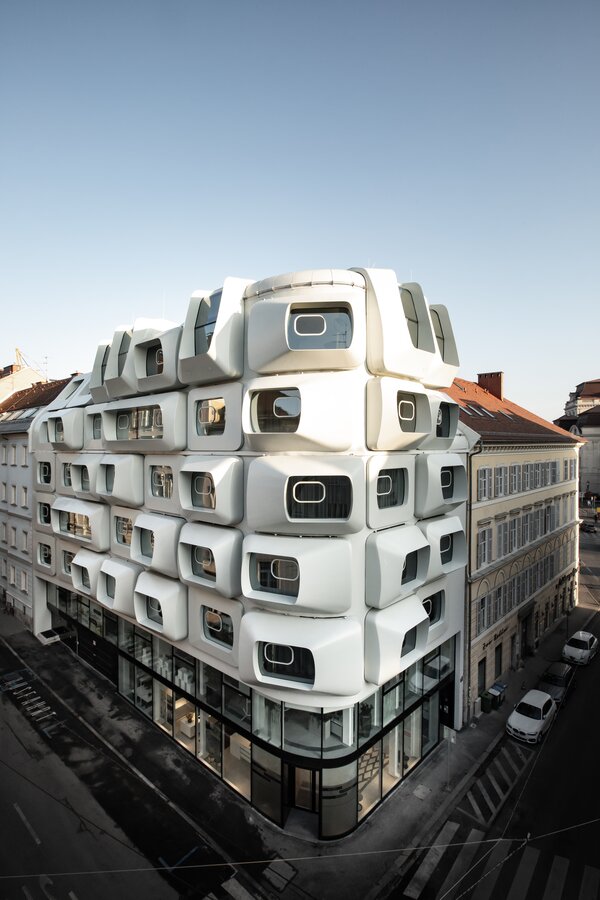
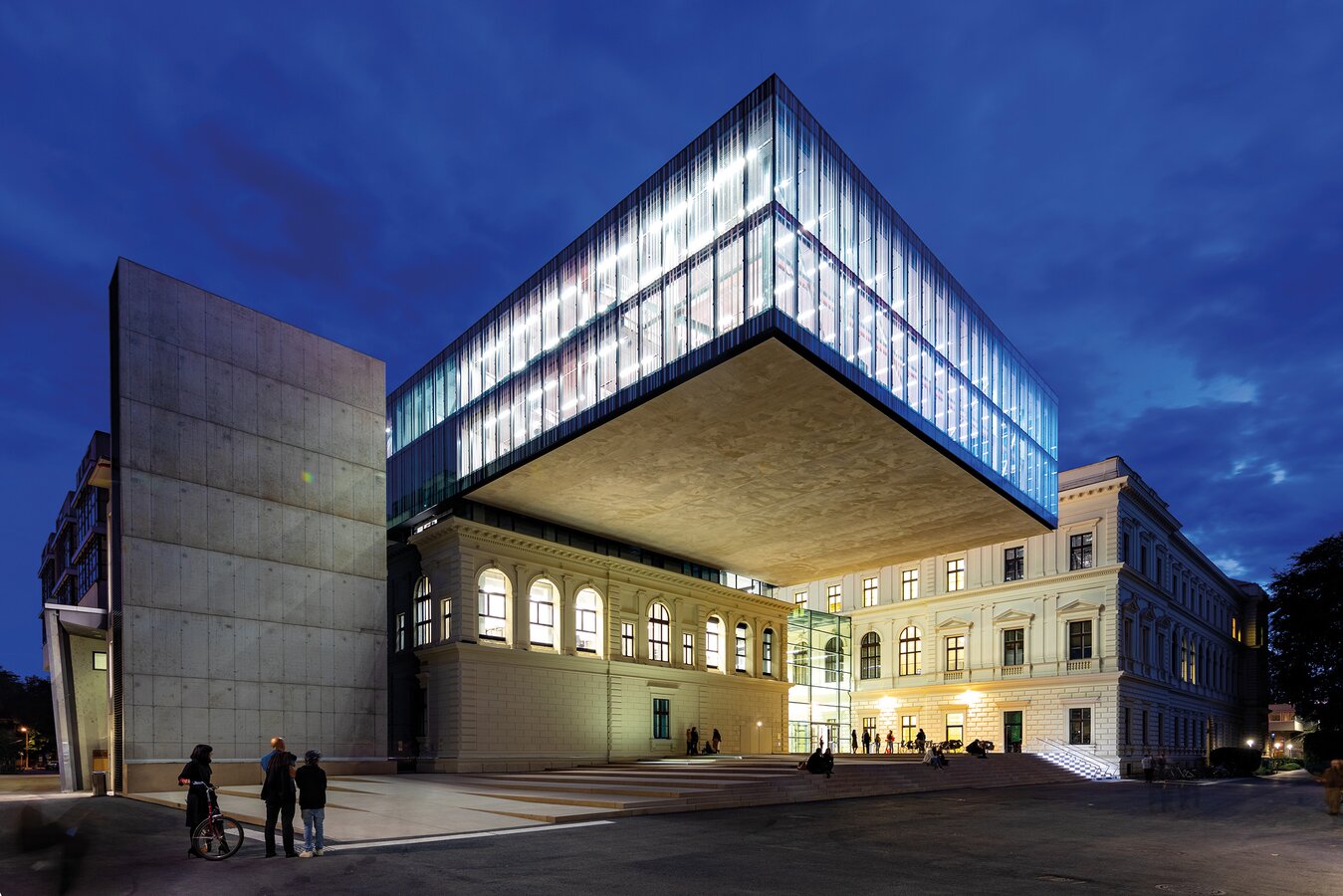
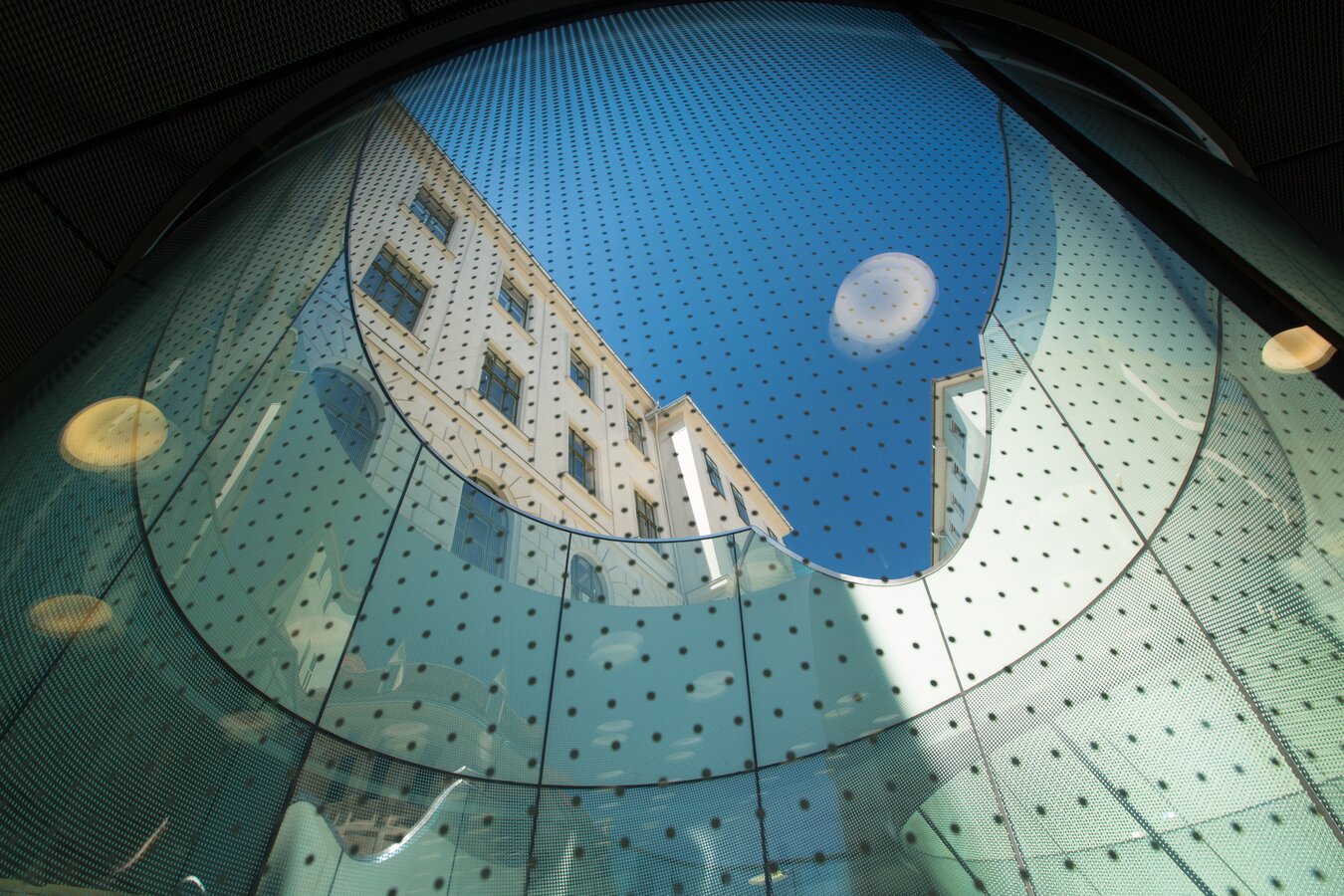
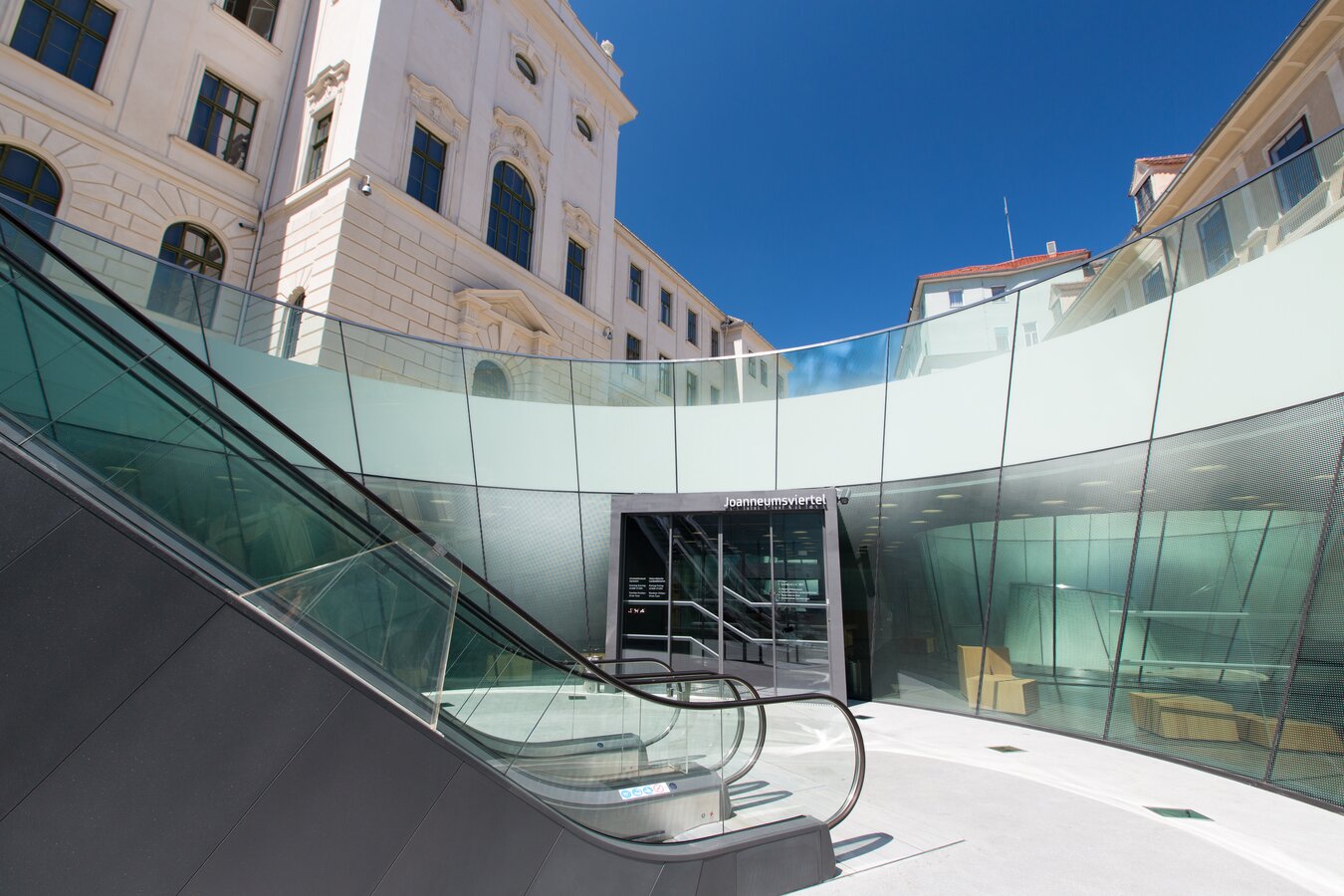
From the Kunsthaus Graz by Peter Cook and Colin Fournier to the Joanneum Quarter by Nieto Sobejano and the Argos Boarding House by Zaha Hadid, Graz brings together the work of some of the world's most renowned contemporary architects. - Architecture Routes: 7 Official Tours
Seven official architecture routes lead through the city centre and the districts of Lend, Gries, Eggenberg, Reininghaus, St. Leonhard, Geidorf, Jakomini and St. Peter. Download the Architecture Guide (.pdf) with detailed information and seven suggested walking routes. - Best Time to Visit for Architecture Enthusiasts: Year-Round
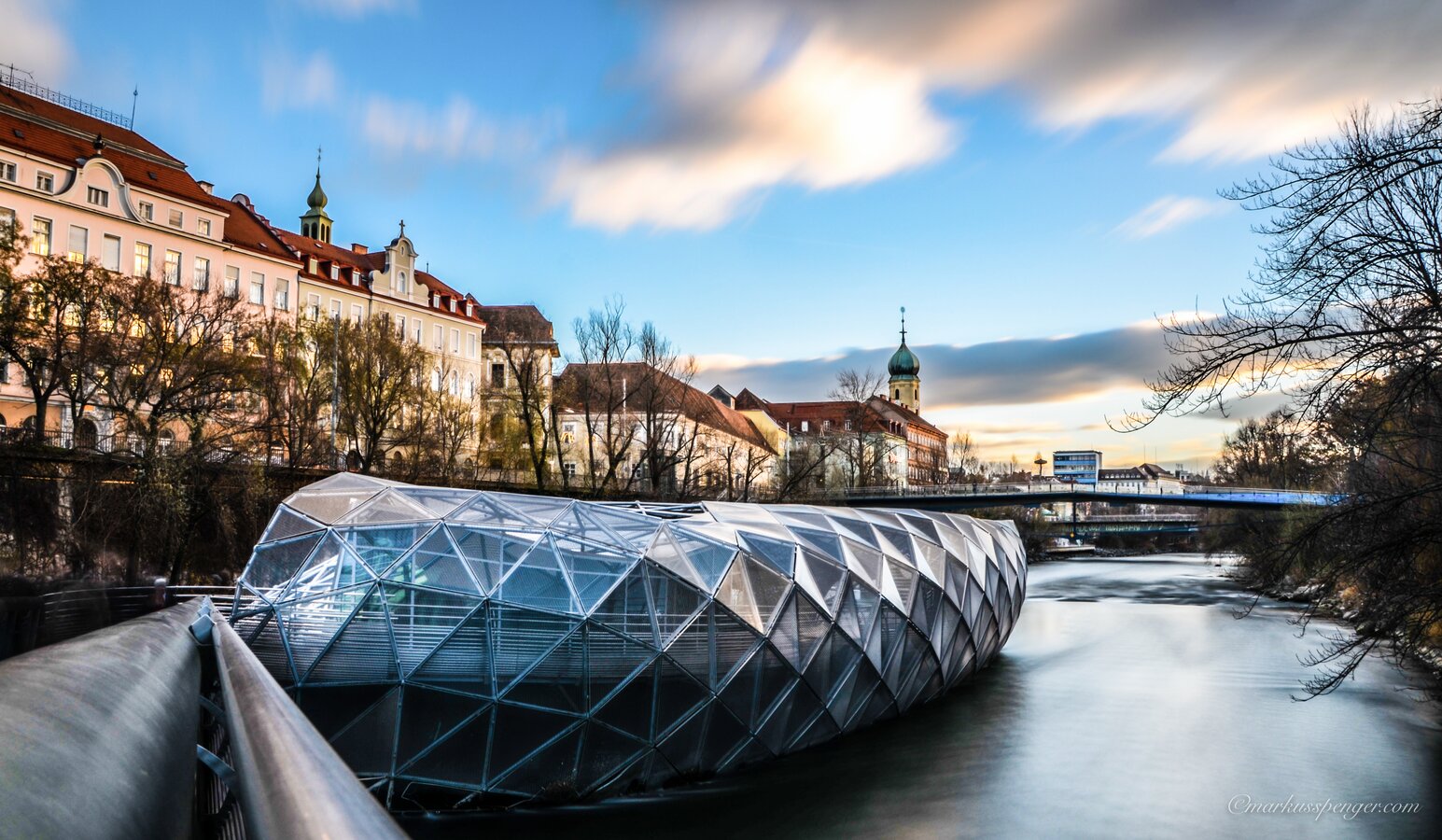
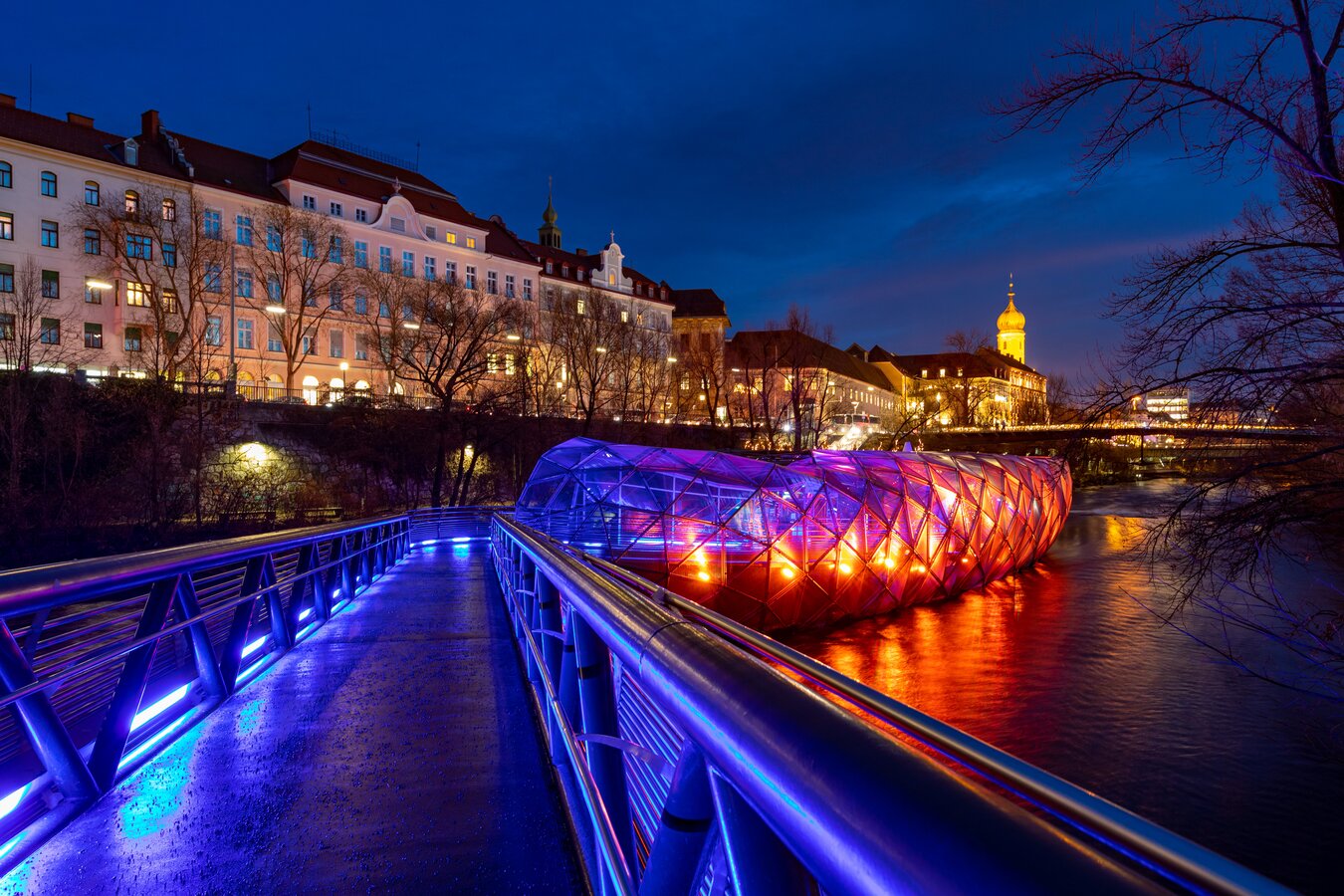
Whether it's a spring stroll through the Historic Centre, a summer evening at the Murinsel or panoramic winter views from the Schlossberg, Graz offers fascinating insights into architecture, design and urban development throughout the year.
Why is Graz a unique destination for architecture and design enthusiasts?
A city where tradition, innovation and creativity come together
Anyone exploring contemporary architecture in Graz will discover a city of striking contrasts – and that is exactly what makes it so special.
Graz is one of the few cities in Europe that is simultaneously...
- ... a UNESCO World Heritage Site.
- ... a UNESCO City of Design.
- ... home to an internationally recognised architecture scene.
- ... home to leading universities and research institutions.
- ... home to landmarks designed by internationally renowned architects.
What makes Graz truly remarkable is the harmonious coexistence of historic and contemporary architecture. Medieval streets, Renaissance courtyards and Baroque buildings stand alongside bold modern landmarks, creating a unique dialogue between past and present.
Since its year as European Capital of Culture in 2003, Graz has evolved into an internationally recognised centre for architecture, design and creative urban development. Sights such as the Kunsthaus Graz and the Murinsel have become symbols of this transformation and continue to shape the city's distinctive skyline today.


Which architectural landmarks should you see in Graz?
Contemporary icons, visionary projects and hidden architectural gems.
As a UNESCO City of Design, Graz is home to some of Austria's most remarkable architectural landmarks. From the iconic Kunsthaus Graz and the Murinsel to visionary residential, cultural and public buildings, the city offers a fascinating showcase of contemporary architecture. Historic streets and squares blend seamlessly with bold modern design, making Graz a unique destination for architecture enthusiasts.


Architecture beyond the famous Landmarks
For those who want to explore Graz in greater depth
Beyond the Kunsthaus Graz and the Murinsel, Graz offers many more architectural discoveries. These projects showcase the diversity of contemporary architecture in the city – from sensitive interventions in the historic centre to innovative new urban developments.
Tip: The Architecture Guide includes many more architectural highlights beyond the city's best-known landmarks.


Discover Graz at your own pace
Explore the city's most remarkable buildings with the Architecture Guide.
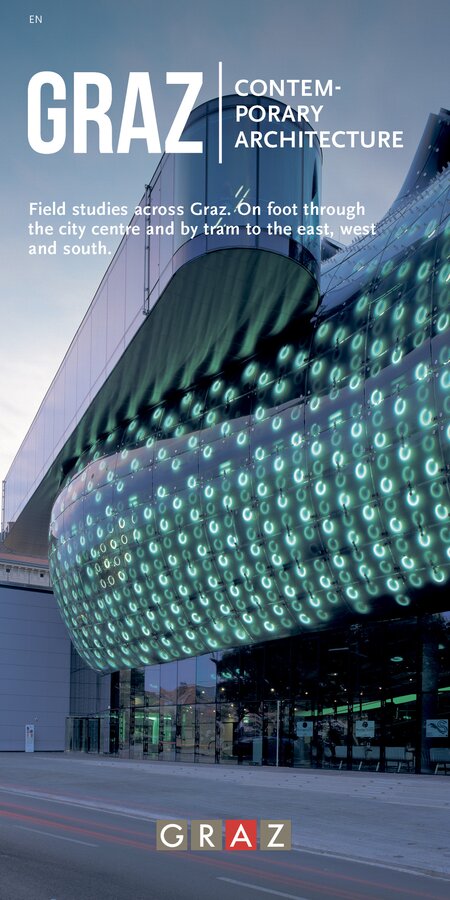
If you would like to discover Graz on your own, the Architecture Guide offers inspiring routes showcasing the city's most important examples of contemporary architecture. The tours lead through different districts, combining well-known landmarks with fascinating hidden gems beyond the classic tourist attractions.
Choose from walking tours through the Historic Centre as well as routes through the districts of Lend and Gries, Eggenberg, Reininghaus, St. Leonhard and Geidorf, and Jakomini and St. Peter. For each architectural highlight, the guide provides background information on the buildings, their architects and their significance for the city's urban development.
Many of the stops are easily accessible on foot or by public transport. This allows you to explore Graz at your own pace and experience first-hand why the city has gained international recognition as a UNESCO City of Design and a centre of contemporary architecture.


Shopping and Design on the right bank of the Mur
Which shopping hotspots in the Lend district make Graz a UNESCO City of Design unique?
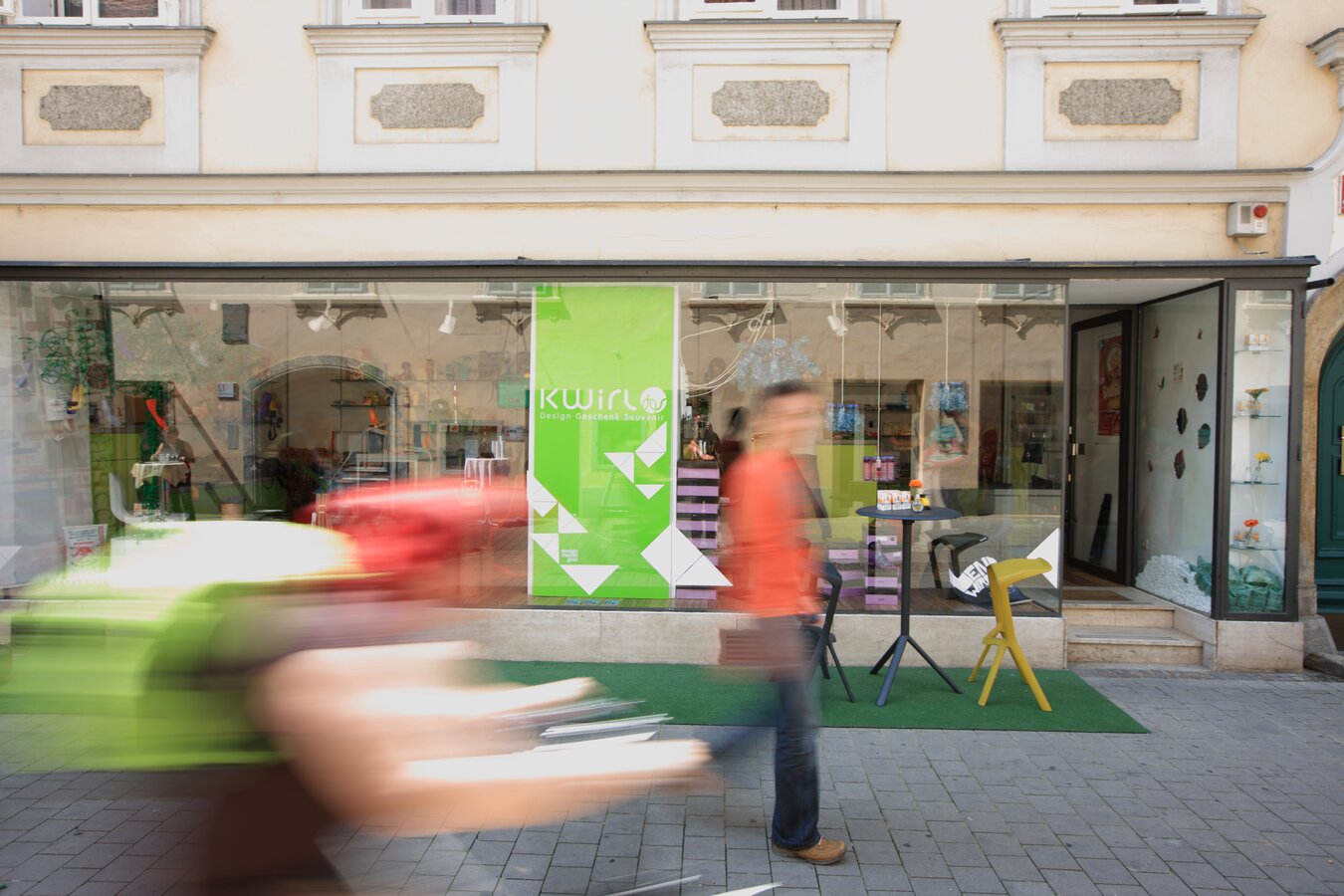
The creative district around Lendplatz, Mariahilferplatz and Mariahilferstraße is the place to be for design lovers. Here, you can browse for unique and distinctive design products while discovering a wide range of independent design shops. Over the years, numerous original boutiques have established themselves in the area around the Kunsthaus Graz, joined by an ever-growing mix of studios, cafés and creative spaces.
As Austria's first UNESCO City of Design and a member of the UNESCO Creative Cities Network, Graz showcases its creative spirit particularly on the right bank of the River Mur. The Lend district is where the city's design identity comes to life.
But there's more than shopping to enjoy. Countless bars, cafés and restaurants give the neighbourhood its vibrant atmosphere. On warm summer evenings, Lendplatz is one of the city's most popular places to relax and experience Graz's creative urban lifestyle.
Experience architecture while enjoying the flavours of Graz
Turn your architecture tour into a memorable culinary experience.
In Graz, architecture shapes not only the cityscape but also many unique places to eat and drink. Whether on a rooftop terrace, in a design hotel or inside an architectural landmark, the UNESCO City of Design offers a unique combination of outstanding architecture and genuine hospitality.


Stay where architecture meets design
Hotels for architecture enthusiasts in Graz


The perfect one-day architecture tour
Discover Graz's architectural highlights in just one day.
If you have just one day to explore Graz, many of the city's most remarkable architectural landmarks can easily be discovered on foot.
-
Morning – UNESCO World Heritage and contemporary architecture
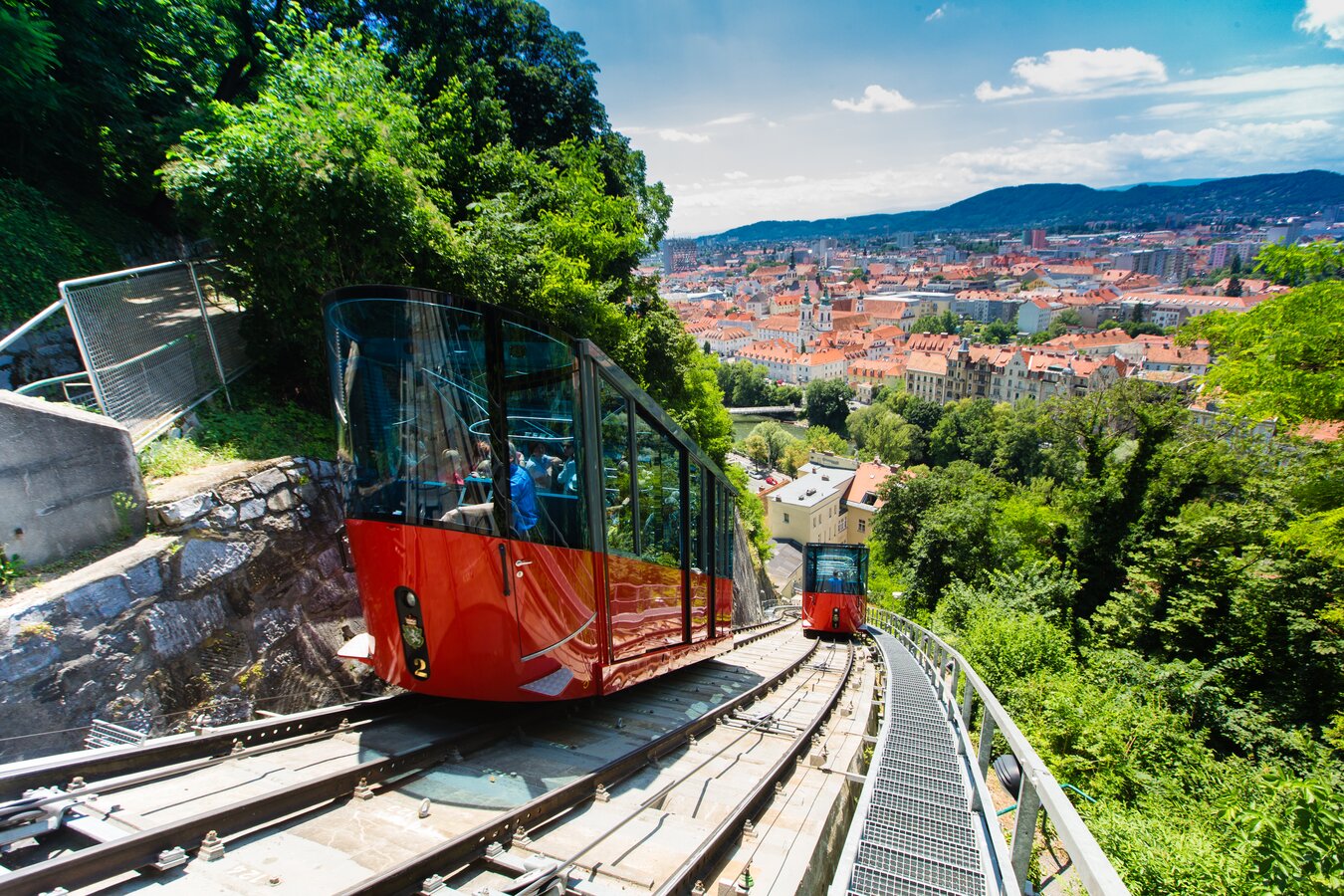
Start your day at Hauptplatz, in the heart of Graz's Historic Centre. From here, you can explore both historic landmarks and outstanding examples of contemporary architecture. Begin with a visit to the Schlossberg. From Schlossbergplatz, take the Schlossberg Lift directly to the city's iconic hill. Here, you'll experience the unique combination of the historic fortress, contemporary architecture and spectacular panoramic views over Graz.
On your way back through the Historic Centre, architectural projects such as the Boarding House Argos by Zaha Hadid and the Joanneum Quarter demonstrate how contemporary architecture has been thoughtfully integrated into the historic urban fabric. - Midday – Kunsthaus Graz and the Murinsel
After crossing the River Mur, you'll arrive at Kunsthaus Graz. This iconic building is one of Austria's best-known examples of contemporary architecture and has shaped the city's skyline since Graz 2003 – European Capital of Culture.
Just a few steps away is the Murinsel. Designed by Vito Acconci, this floating landmark connects both banks of the River Mur and invites you to enjoy a relaxing break at its café in the heart of one of Graz's most extraordinary architectural attractions.
- Afternoon – Creative districts and architecture beyond the classics
In the afternoon, explore the districts of Lend and Gries, two of Graz's most creative neighbourhoods. Alongside studios, galleries and independent design shops, the streets are characterised by large-scale murals, street art and graffiti. Many of these artworks were created as part of festivals and art projects, transforming the neighbourhood into an open-air gallery. Their colourful façades tell stories, encourage dialogue and reflect the creative identity of the UNESCO City of Design.
Whether exploring independently or joining a guided tour, Lend and Gries offer a fresh perspective on Graz beyond the traditional sightseeing route.
If you would like to delve even deeper into Graz's architectural landscape, take the tram to Smart City Graz or the Reininghaus district. Both neighbourhoods represent the future of urban development and showcase how Graz is shaping new urban spaces. - Evening – Architecture, panoramic views and culinary delights
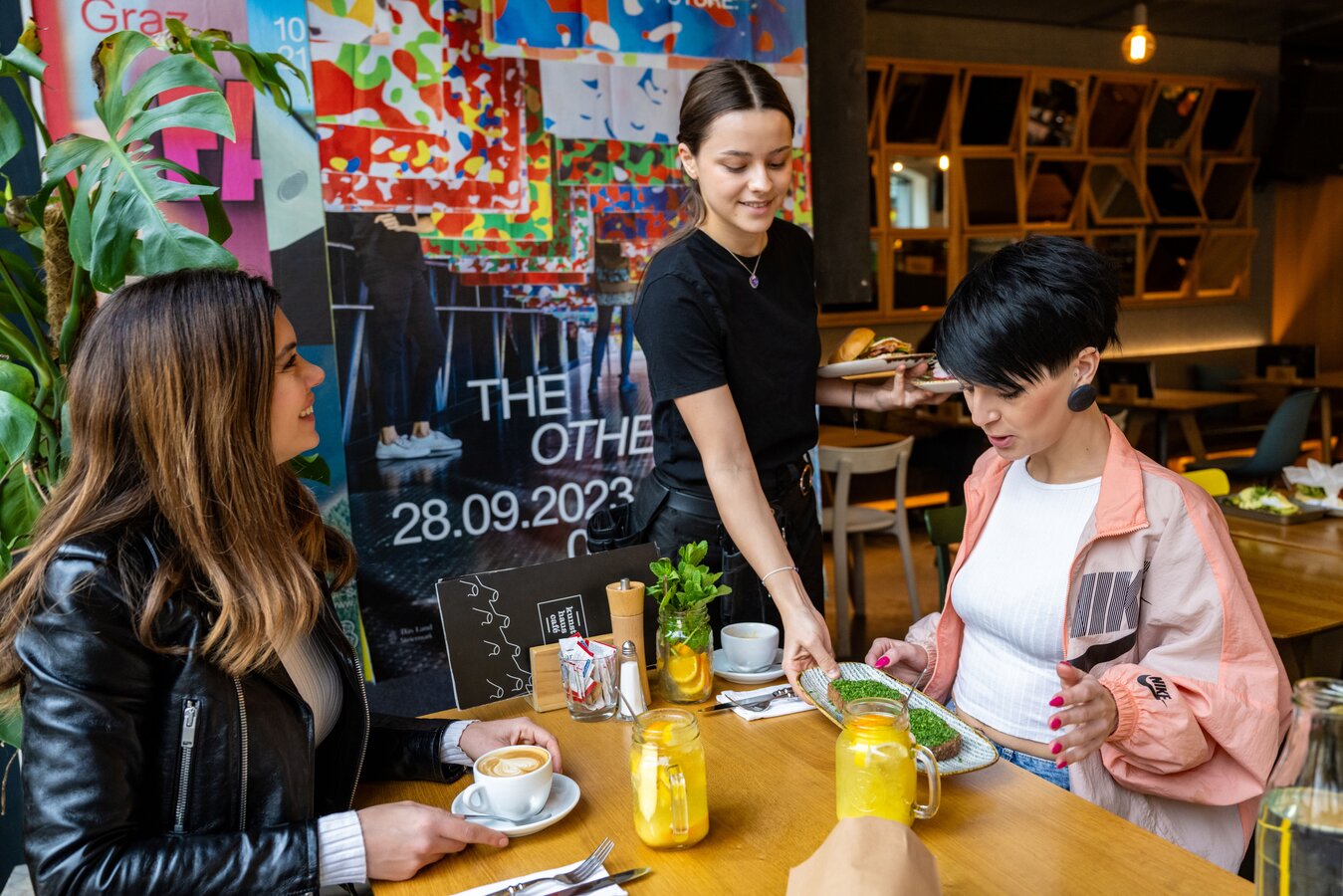
End your day at one of Graz's architecturally distinctive restaurants or cafés. Excellent choices include Restaurant Schlossberg or aiola upstairs overlooking the rooftops of the Historic Centre, Tagescafé Freiblick at Kastner & Öhler, the Kunsthauscafé inside Kunsthaus Graz, or one of the city's design hotels. Each combines architecture, gastronomy and the unique atmosphere of Graz.
Find more restaurant recommendations in our online restaurant guide.

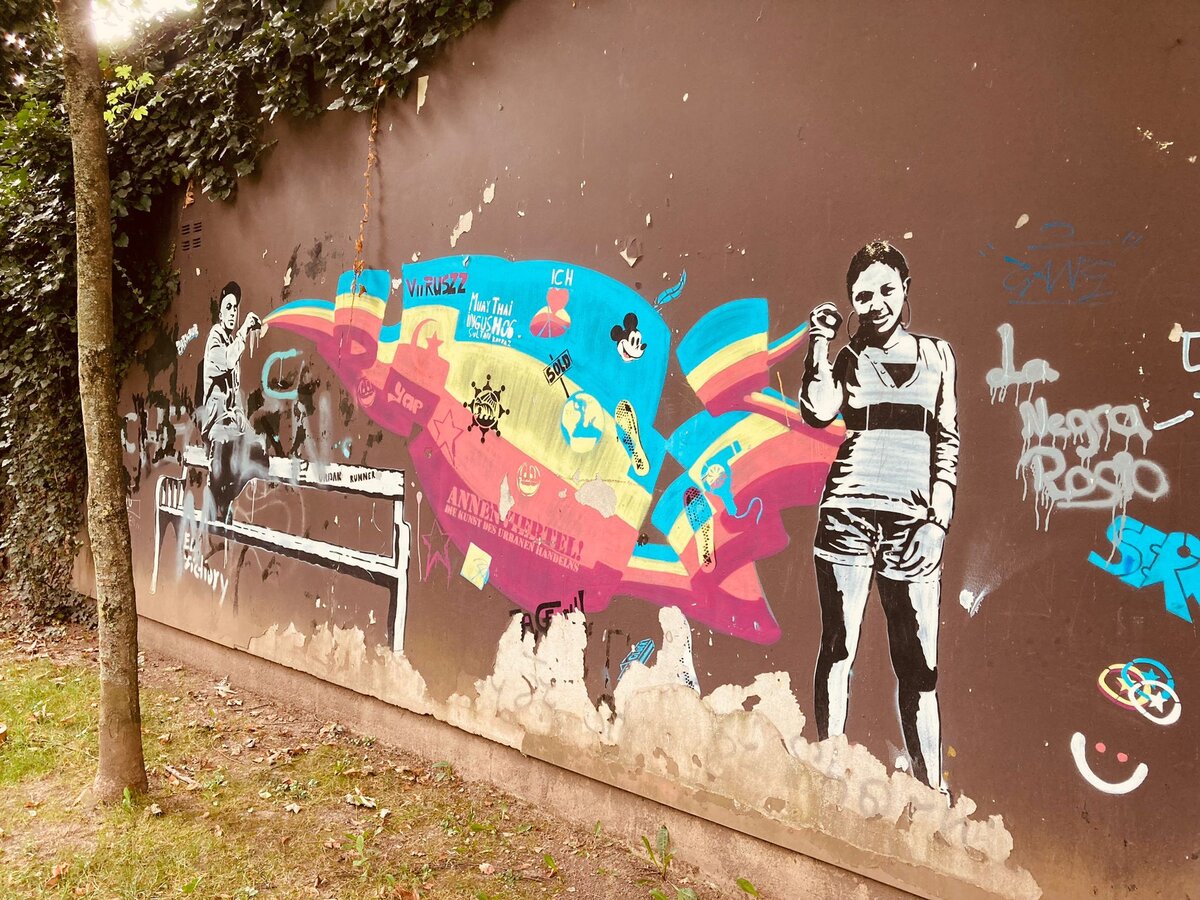
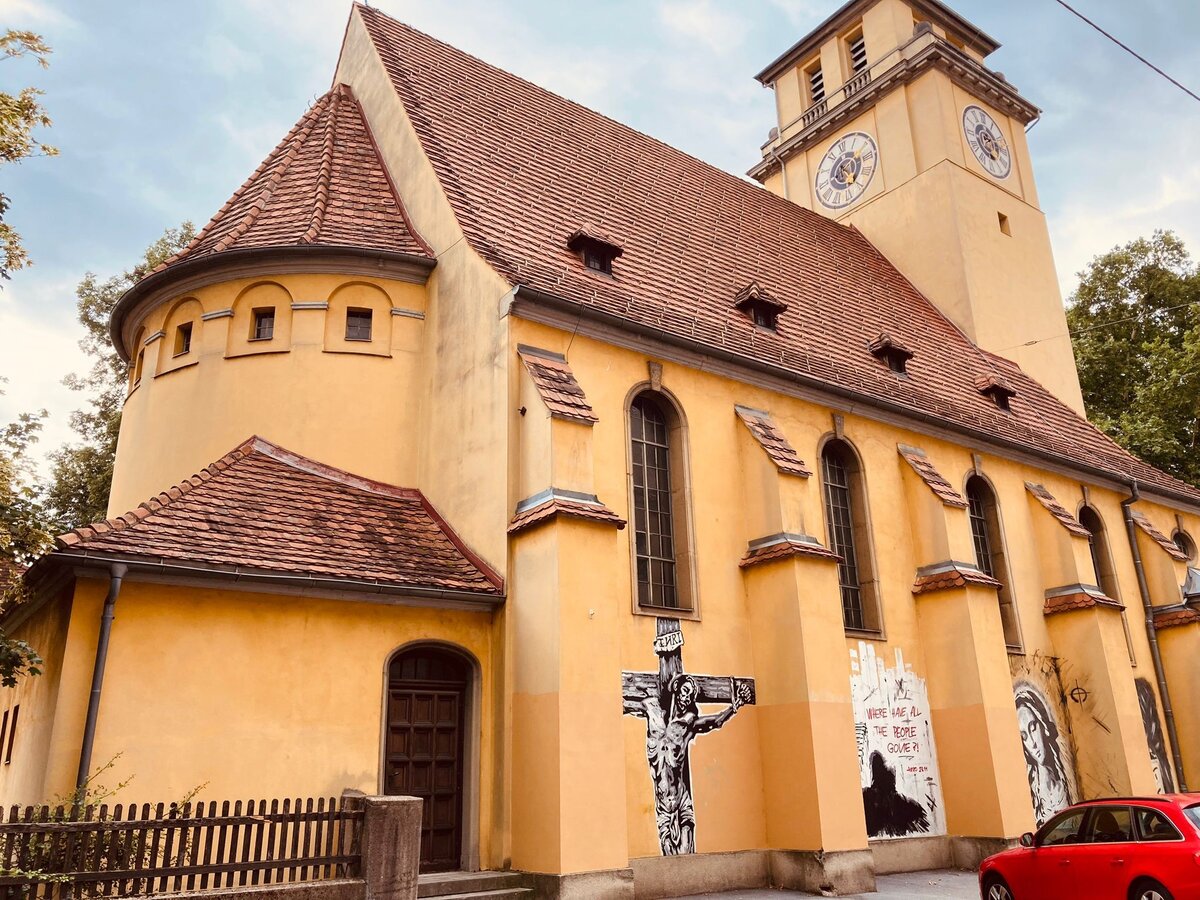
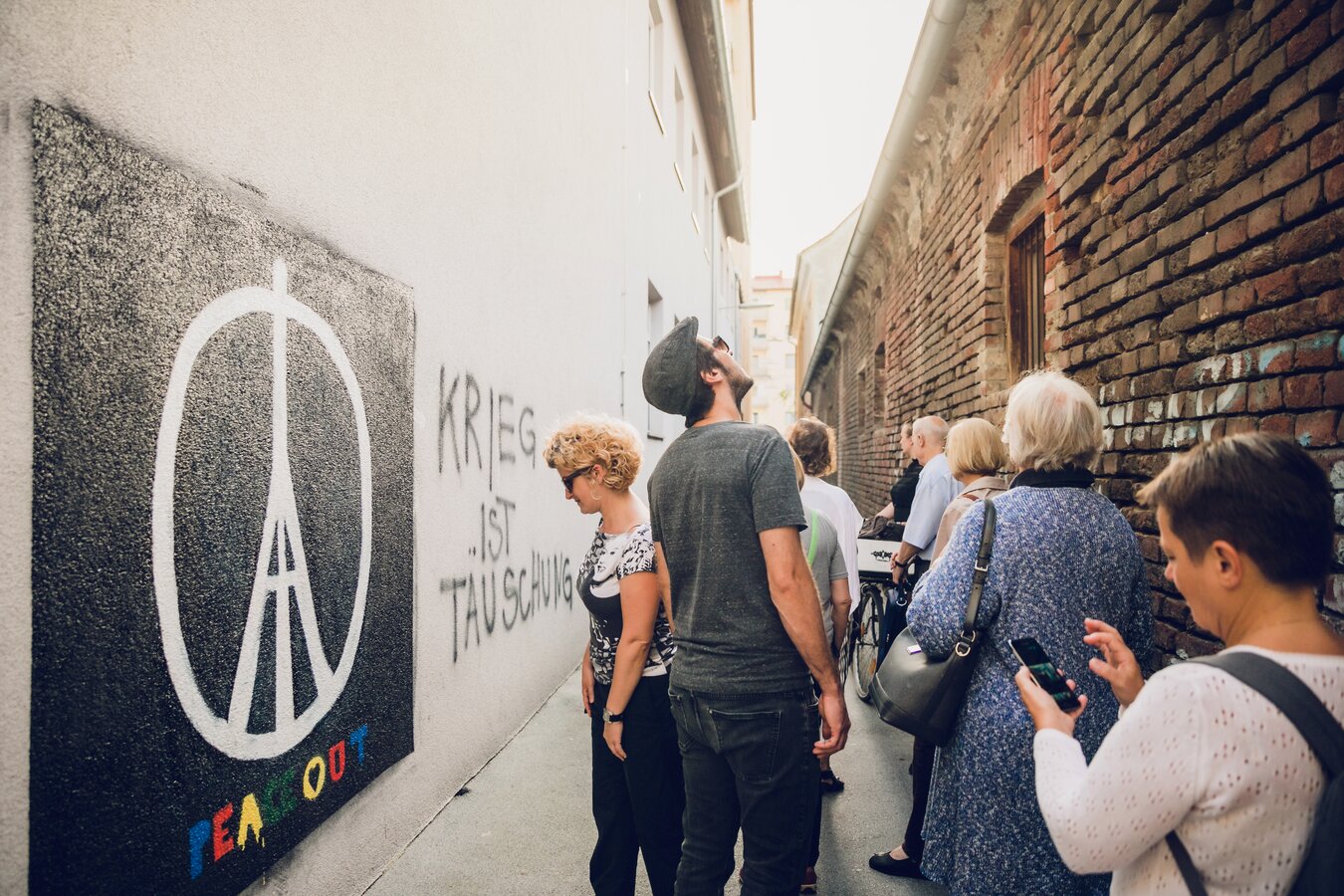
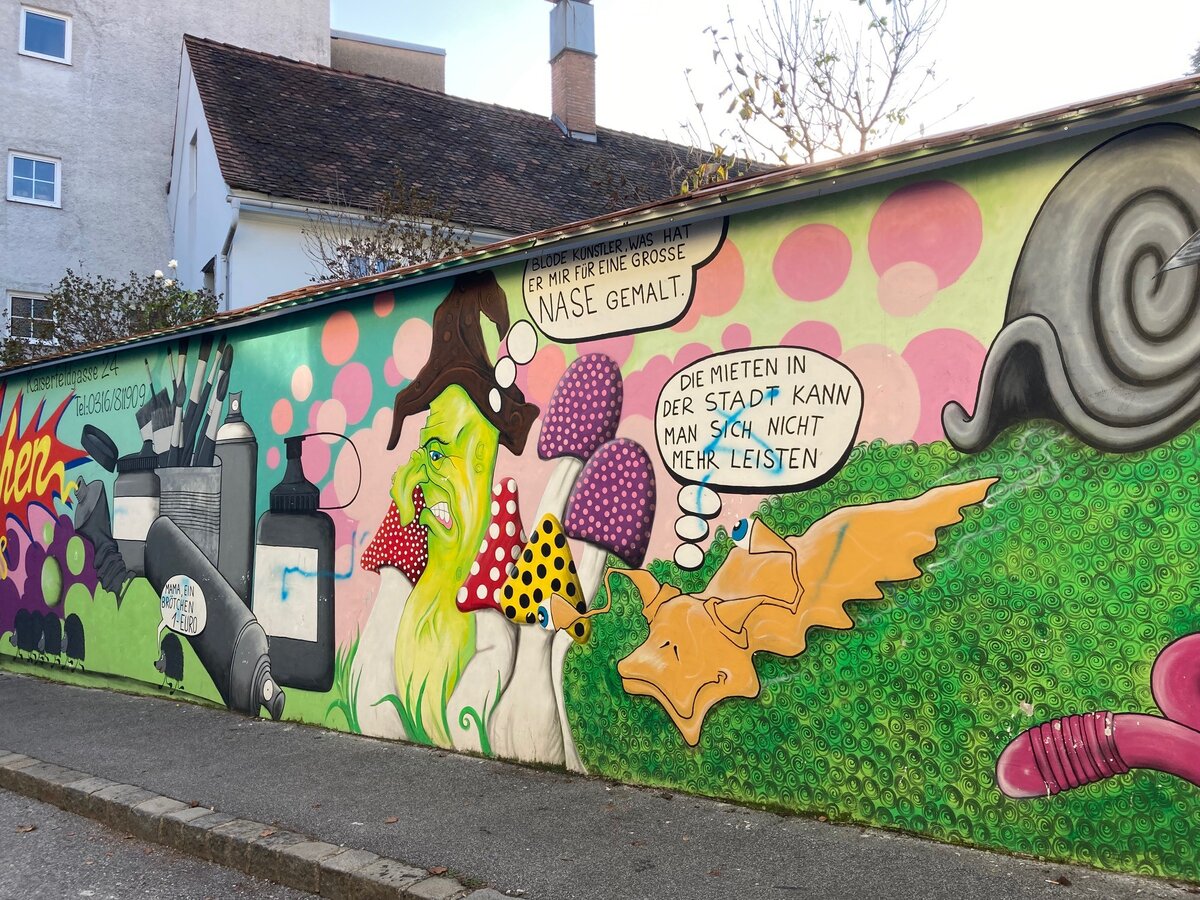
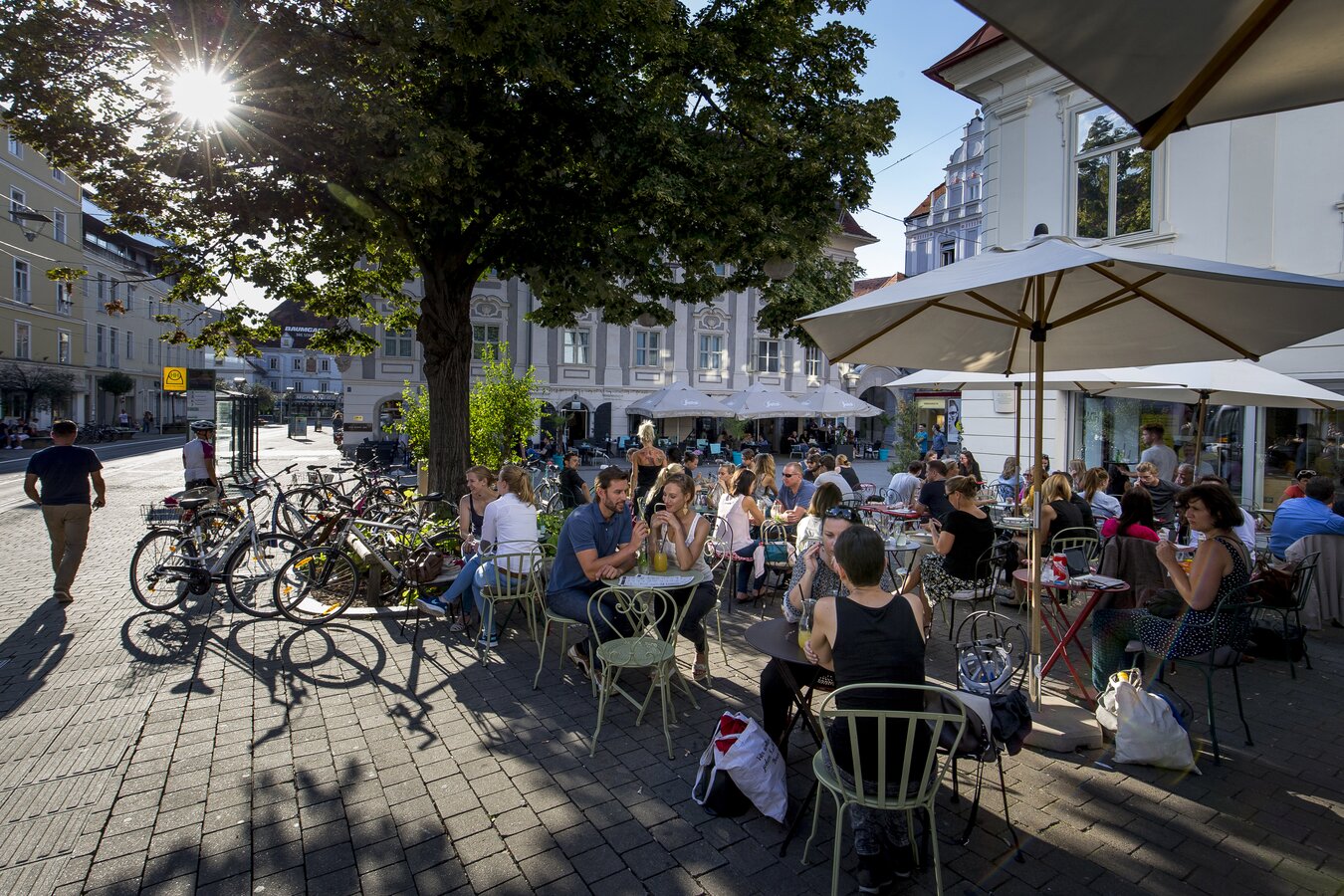

The creative districts of Lend and Gries are home to colourful murals and impressive street art. Discover remarkable works of art on a leisurely walk or learn the stories behind them on a guided tour, which can be booked at the Graz Region Tourist Information in Herrengasse 16.
Frequently Asked Questions about Graz as a UNESCO City of Design and Its Architecture
Answers to the most frequently asked questions about architecture, design and Graz as a UNESCO City of Design.
Learn more about the city's architectural highlights, its designation as a UNESCO City of Design, and the unique combination of historic heritage and contemporary architecture that makes Graz an exceptional destination for architecture and design enthusiasts.
Yes. Graz's Historic Centre has been a UNESCO World Heritage Site since 1999. In 2010, Eggenberg Palace was added to the World Heritage Site.
Graz has been a member of the UNESCO Creative Cities Network since 2011. The designation recognises the city's commitment to design, the creative industries, architecture and innovation as key drivers of urban development.
As a UNESCO City of Design, Graz aims to make design, art and culture visible and tangible in everyday life while raising awareness of their value to society. Beyond supporting the creative industries, the designation brings many benefits to the city and its residents. Being a City of Design is both a way of thinking and a commitment to revitalising urban culture, consciously shaping living spaces and addressing global challenges through creativity and design.
In Graz, creativity is part of everyday life. Design, art and culture are not limited to museums, galleries or individual events—they are reflected throughout the city, from architecture and urban development to education, business and public spaces.
As a UNESCO City of Design, Graz supports creative ideas, innovative projects and collaboration between culture, business and academia. The aim is to create high-quality living environments, improve quality of life and develop new solutions to societal challenges. The title therefore represents more than an award - it reflects a shared commitment to creativity as a driving force for the city's future.
The most important architectural highlights in Graz include Kunsthaus Graz, the Murinsel, the Boarding House Argos by Zaha Hadid, the Joanneum Quarter, the Schlossberg Lift and the Dom im Berg. The Kastner & Öhler department store, with its distinctive rooftop extension and panoramic terrace, is another outstanding example of the successful combination of historic and contemporary architecture.
If you would like to explore Graz in greater depth, the Architecture Guide (.pdf) features several suggested routes through the Historic Centre and the districts of Lend, Gries, Eggenberg, Reininghaus, St. Leonhard, Geidorf, Jakomini and St. Peter. The tours lead to both famous landmarks and hidden architectural gems, while providing background information about the buildings and their architects.
Yes. Many of Graz's architecture routes can easily be explored independently on foot or by public transport. The Architecture Guide is the perfect companion, featuring several themed routes through the city along with background information on the buildings, architecture and urban development. You can download the Architecture Guide (PDF) or pick up a printed copy at the Graz Region Tourist Information (Herrengasse 16).
You can find guided architecture tours in our event calendar. If you can't find a tour that suits you, our team at the Graz Region Tourist Information (Herrengasse 16) will be happy to help: T +43/316/8075-0, info@graztourismus.at
As a UNESCO City of Design, Graz hosts a wide range of design events, exhibitions, guided tours and festivals throughout the year. Take a look at our event calendar to discover what's happening during your visit.
The Reinerhof, located at Schlossbergplatz, is considered the oldest documented building in Graz. It was first mentioned in historical records in 1164 and is one of the city's oldest surviving buildings, making it an important witness to Graz's early history.
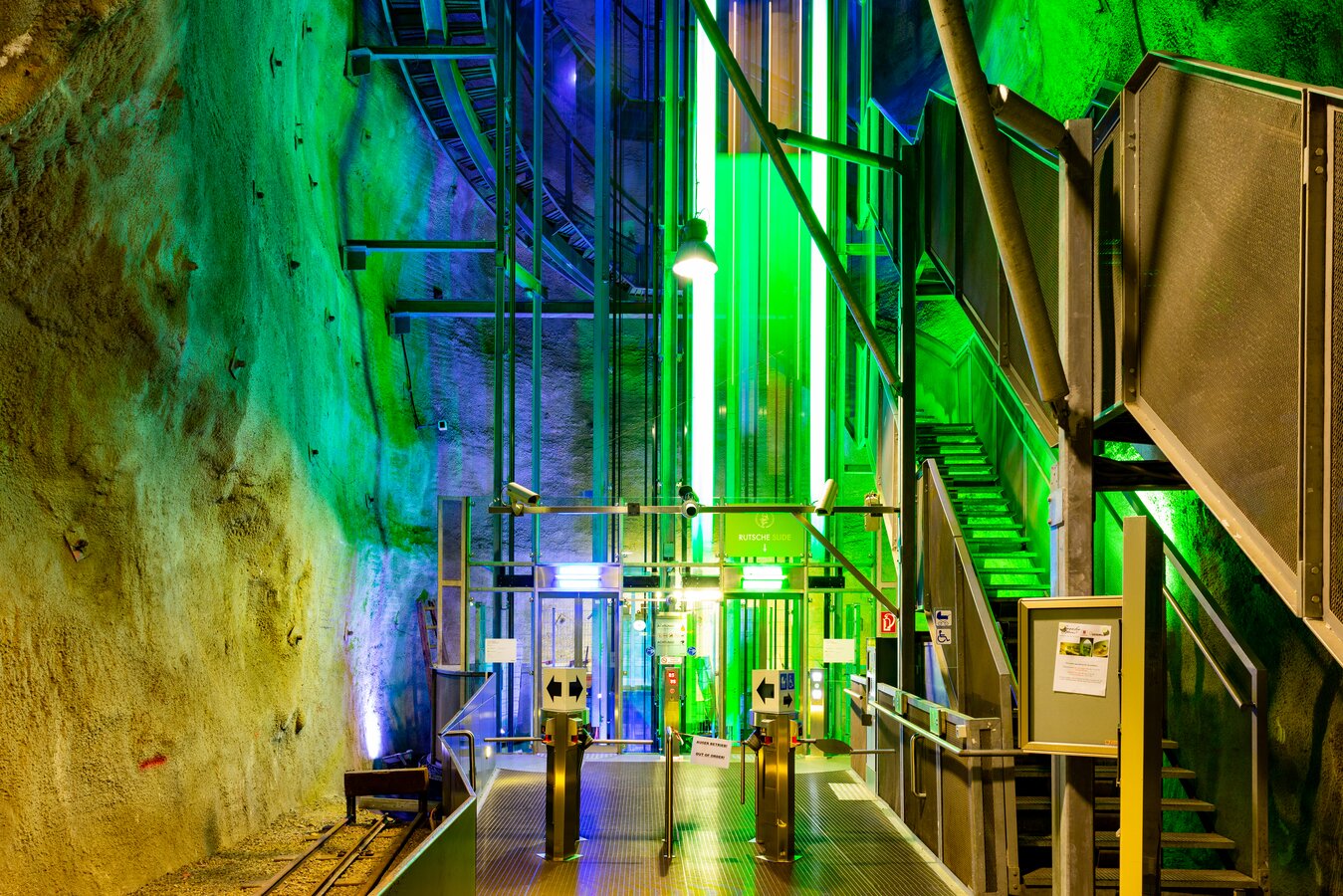
Schlossbergplatz itself is regarded as one of the most beautiful squares in Graz. Surrounded by historic buildings, it is also the starting point for the Schlossberg Steps, which were built by prisoners of war during the First World War. The square serves as the entrance to an extensive network of tunnels inside the Schlossberg. In 2000, two of these former air-raid shelters were transformed into the Dom im Berg, an atmospheric underground venue for a wide variety of events. Together with attractions such as the Schlossberg Lift, restaurants and cultural venues, the area is one of the city's must-see destinations.
Design Month Graz was held every May from 2009 to 2025. Following the 2025 edition, titled "The New Real," the festival was officially discontinued in its previous format as an independent four-week event.