Glockenspiel Graz
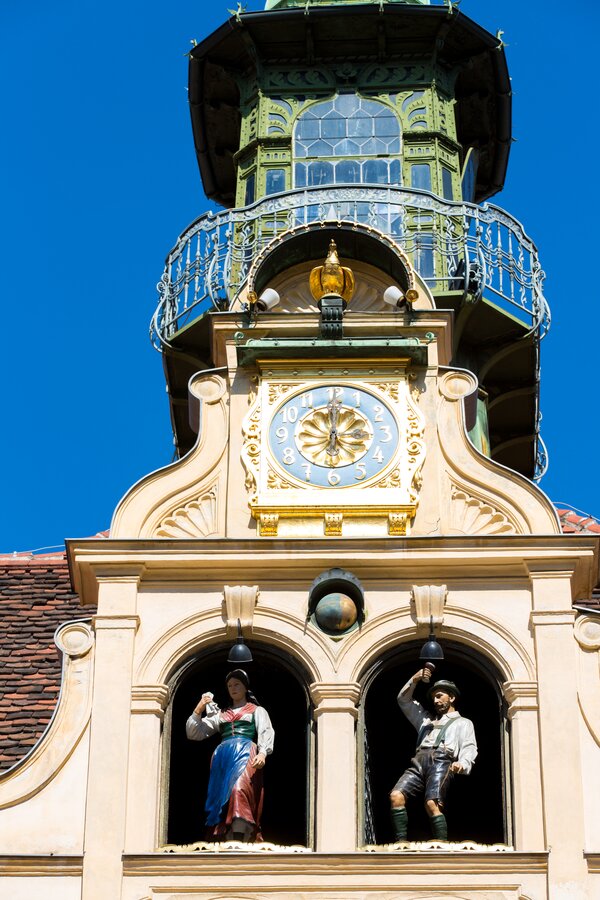
Come dance with me! The Glockenspiel in the eponymous square in Graz leads the way. A sweet maiden and hearty lad clad in traditional costume pirouette three times a day (11 am, 3 pm & 6 pm) up in the gable of the building on Glockenspielplatz square. The mechanism’s cheerful 24 bells play three different melodies. A charming, romantic show beyond compare. Enchanted and each with a spring in their step and a smile on their face, lucky viewers head off once the last note dies away.

Good to know
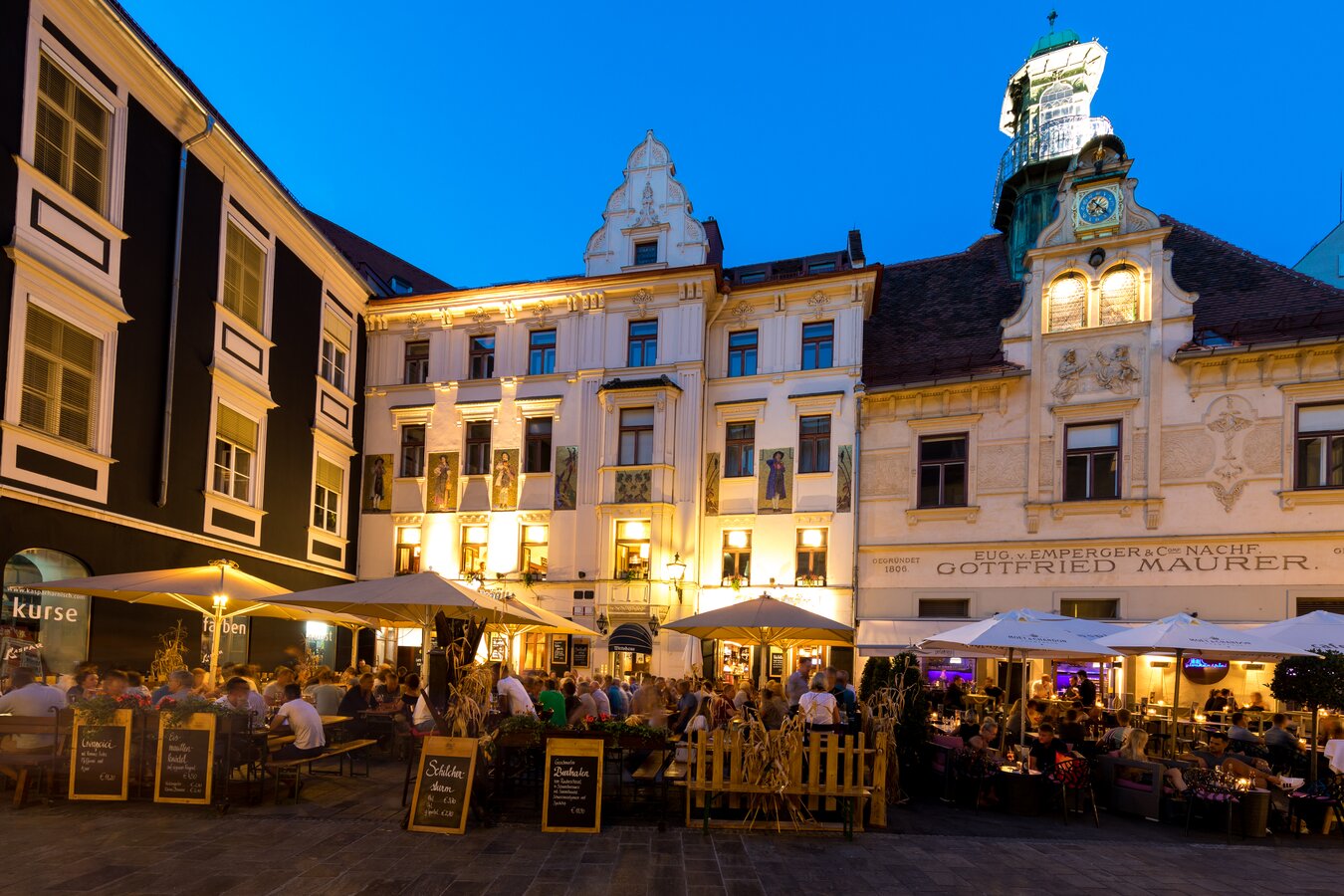
The Glockenspiel Graz is located on Glockenspielplatz in the historic old town of Graz, just a short walk from the main square (Hauptplatz).
You should allow around 15 minutes for a visit to the Glockenspiel at Glockenspielplatz. This gives you enough time to experience the carillon with its 24 bells and dancing figures and take a few photos. It is best to time your visit to coincide with one of the performances.
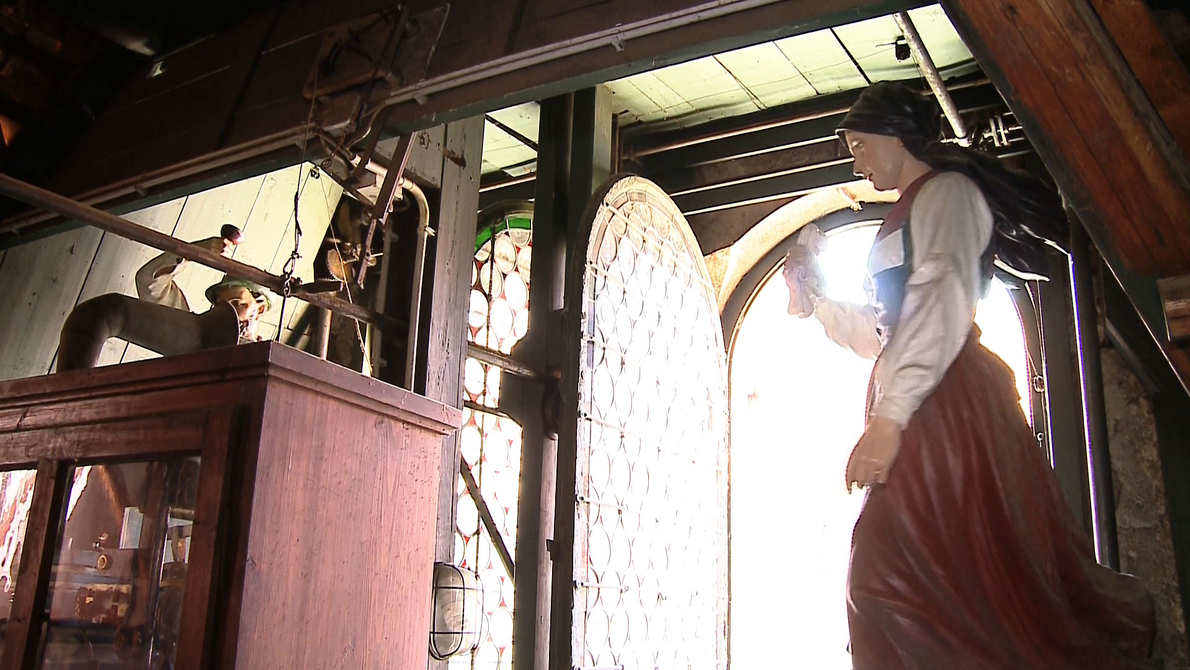
Every day at 11 am, 3 pm, and 6 pm, the two window shutters of the Glockenspiel Graz open, and a carved wooden couple in traditional costume turns to the sound of the melodies.
The Glockenspiel Graz plays three melodies three times a day - but not always the same ones. The 800 steel pins on the mechanical drum can be rearranged, allowing the repertoire to change. New melodies are introduced about five times a year.
The selection includes Alpine folk songs and yodels, Christmas carols, and pleasant melodies by contemporary composers - around 70 songs in total. During the performance, the arcade windows in the gable open to reveal a dancing Styrian couple. As a crowning finale, a golden rooster spreads its wings and crows—an idea inspired by Gottfried Maurer, who modeled it after the Munich Town Hall.
The performance of the Glockenspiel Graz lasts a maximum of 8 minutes. To keep it interesting even for repeat visitors, the melodies are changed five times a year.
Yes, watching the Graz Glockenspiel is completely free of charge. Glockenspielplatz is open to the public and is one of the most popular gathering places in the historic center. It is one of the many free highlights for visitors exploring Graz, a UNESCO World Heritage city and UNESCO City of Design.
The Glockenspiel is one of Graz’s iconic landmarks and a must-see attraction. Its combination of historic architecture, traditional music, and the dancing couple makes it truly unique. Located in the heart of the old town, it can easily be combined with other attractions, cultural highlights, and culinary experiences in the Foodie City of Austria.
Details
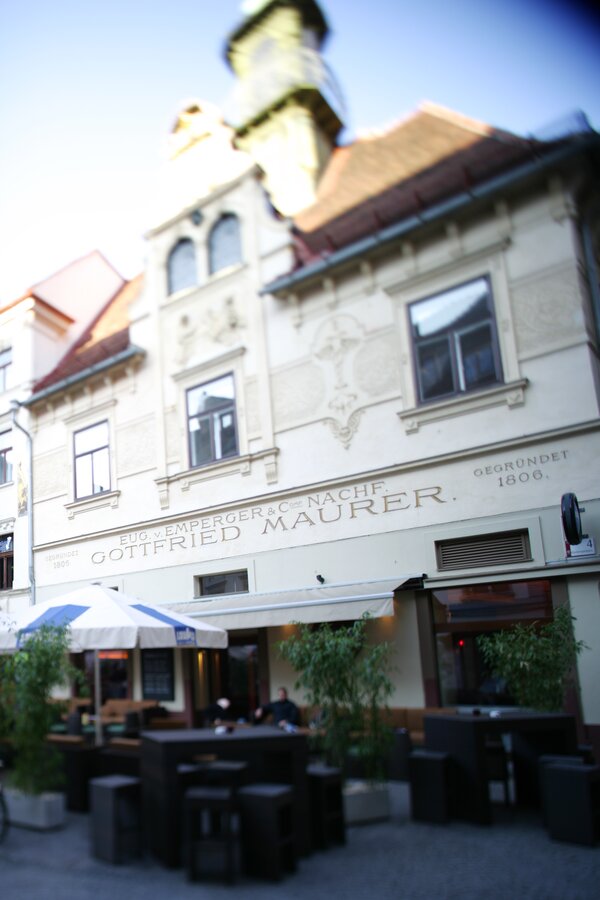
In 1884 the spirits producer Gottfried Maurer bought a house in then "Fliegenplatzl" square. On his journeys to North Germany and Belgium the businessman got to know carillons and had one installed in his house in Graz. On Chrismas Eve in 1905, the 24 bells in the iron roof turrent chimed for the first time. In 1929 Gottfried Maurer bequeathed the carillon to the city of Graz, conditional on its continued existence. In World War II the bells stopped chiming. They were used for making arms and were renewed only in 1956.
So the Graz carillon plays its three melodies again, three times a day. But they are not always the same. As the positions of the 800 steel pins on the barrel can be changed. Five times a year you can hear new melodies. Alpine folk and yodelling songs alternate with Christmas carols and pleasant melodies by contemporary composers. But always the arcaded windows in the gable open to show a dancing couple in traditional Styrian costumes. The crowing culmination of the show is the golden cock raising his wings. It is a copy of the cock Gottfried Maurer saw on the city hall in Munich.
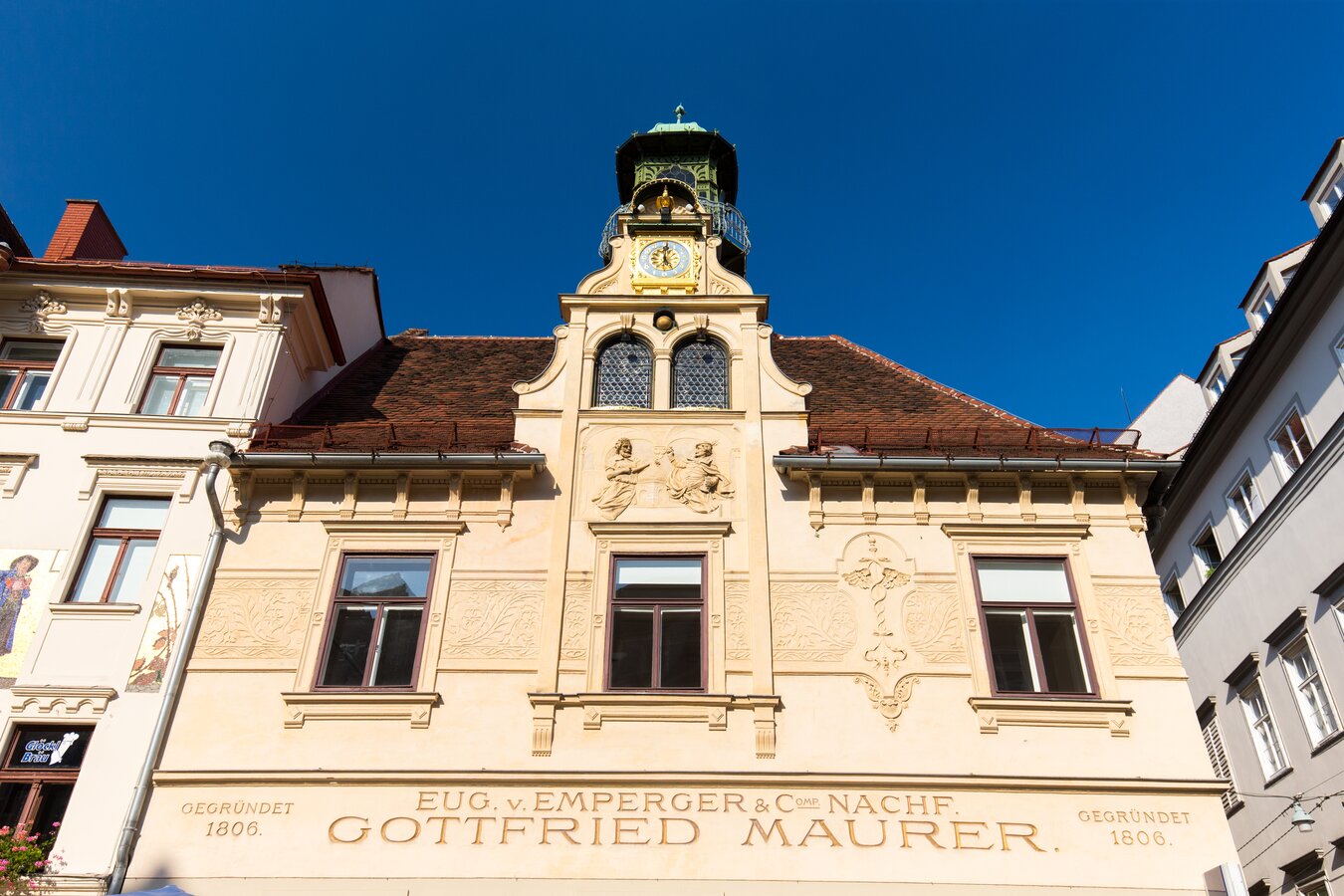
In his time, Gottfried Maurer was quite a smart advertising strategist. Not only the carillon lured people into his wine shop. The art-nouveau facades of the house and the adjacent building also belonging to the businessman in various subjects of the reliefs and mosaics stimulate the viewer to drink some wine. Even the dancer of the carillon raises his glass to the people.
That's just suitable for the so-called "Bermuda triangle" in which you find the carillon. Many a reveller has got lost there in one of the numerous restaurants, cafés and bars...
By the way: Since 1998 there has been a second carillon in Graz. Unlike the traditional purely mechanical carillon described above, the bells of Mariahilfer Kirche carillon on the right bank of the river Mur are computer-controlled. Moreover, the organ player can play live music on them via a keyboard.
Picture gallery
Video